Archives
- 2026-11
- 2026-10
- 2026-09
- 2026-08
- 2026-07
- 2026-06
- 2026-05
- 2026-04
- 2026-03
- 2026-02
- 2026-01
- 2025-12
- 2025-11
- 2025-10
- 2025-09
- 2025-03
- 2025-02
- 2025-01
- 2024-12
- 2024-11
- 2024-10
- 2024-09
- 2024-08
- 2024-07
- 2024-06
- 2024-05
- 2024-04
- 2024-03
- 2024-02
- 2024-01
- 2023-12
- 2023-11
- 2023-10
- 2023-09
- 2023-08
- 2023-07
- 2023-06
- 2023-05
- 2023-04
- 2023-03
- 2023-02
- 2023-01
- 2022-12
- 2022-11
- 2022-10
- 2022-09
- 2022-08
- 2022-07
- 2022-06
- 2022-05
- 2022-04
- 2022-03
- 2022-02
- 2022-01
Data used in preparation of this article were
2025-02-28
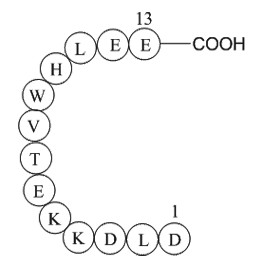
Data used in preparation of this article were obtained from the ADNI database (adni.loni.usc.edu). As such, the investigators within the ADNI contributed to the design and implementation of ADNI and/or provided data but did not participate in analysis or writing of this report. A complete listing o
Studies on both TCDD treated mice and AhR
2025-02-28
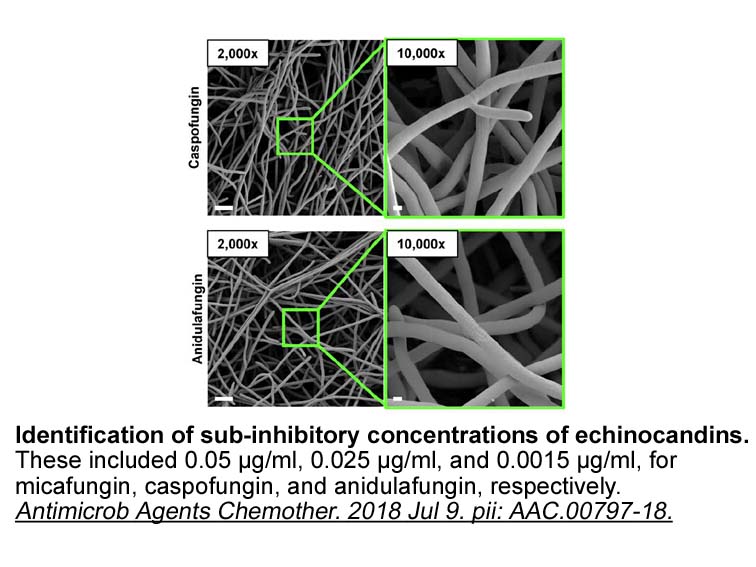
Studies on both TCDD treated mice and AhR null mice have also pointed to a role of AhR in hematopoiesis [65], [66]. Singh et al. showed that AhR is a negative regulator of HSC (hematopoietic stem cell) proliferation, while deletion of AhR leads to spleen enlargement in juvenile and adult mice [67].
The numbers and types of molecules needing to be transported
2025-02-28
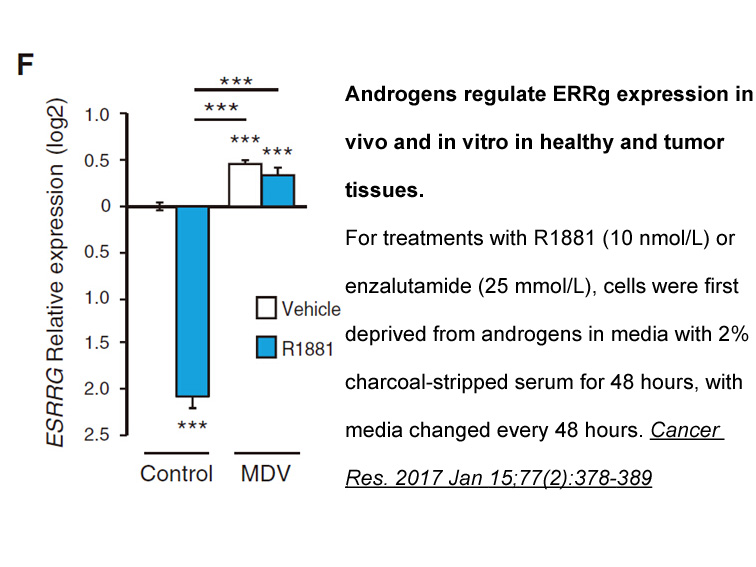
The numbers and types of molecules needing to be transported across membranes are very large, and there is a corresponding very large and diverse number of transporters expressed throughout the body. Hundreds of proteins that have been assigned as having transporter function are broadly divided into
Regarding A Rs and A ARs
2025-02-27
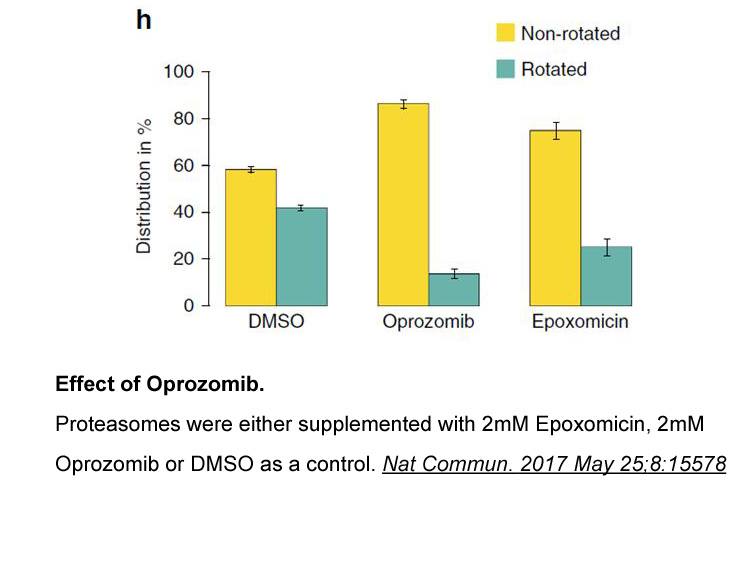
Regarding A1Rs and A2ARs, basal conditions generate a low tone of endogenous adenosine and cause A1R activation, in contrast to situations of increased adenosine where A2AR activation becomes dominant. When adenosine concentrations rise, e.g. during hypoxia, also time appears likely important in reg
Osteoblasts have been thought to be the major cell
2025-02-27
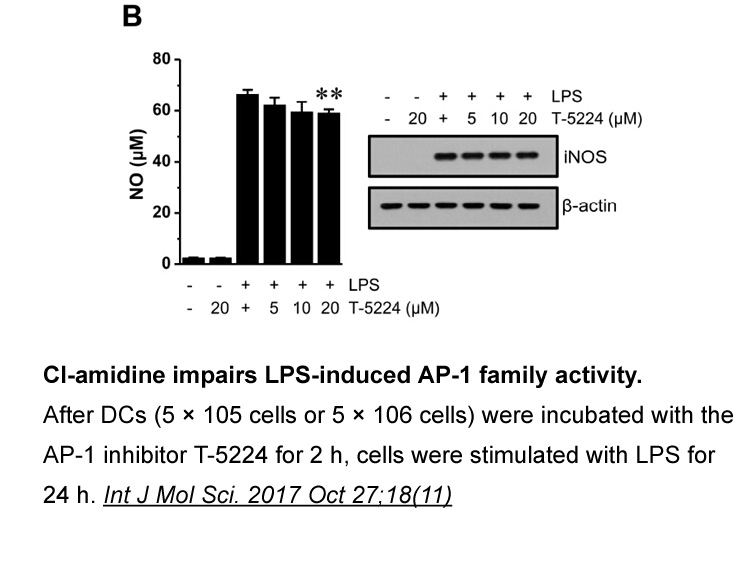
Osteoblasts have been thought to be the major cell type that expresses RANKL (Suda et al., 1999) which is a ligand for osteoprotegerin (OPG) and which functions as a key factor for osteoclast differentiation and activation. Recently, Nakashima and his colleagues (Nakashima et al., 2011) demonstrated
br Materials and methods br Results
2025-02-27
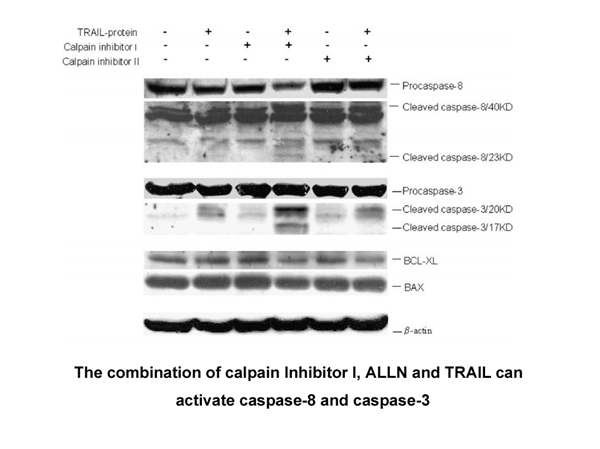
Materials and methods Results and discussion In our previous studies (Matarneh et al., 2017), mitochondria were mechanically disrupted and separated into supernatant and pellet fractions by centrifugation. The causative agent for enhnced glycolytic flux was shown to be a protein that resides i
In the case of DIA CN the docking
2025-02-27
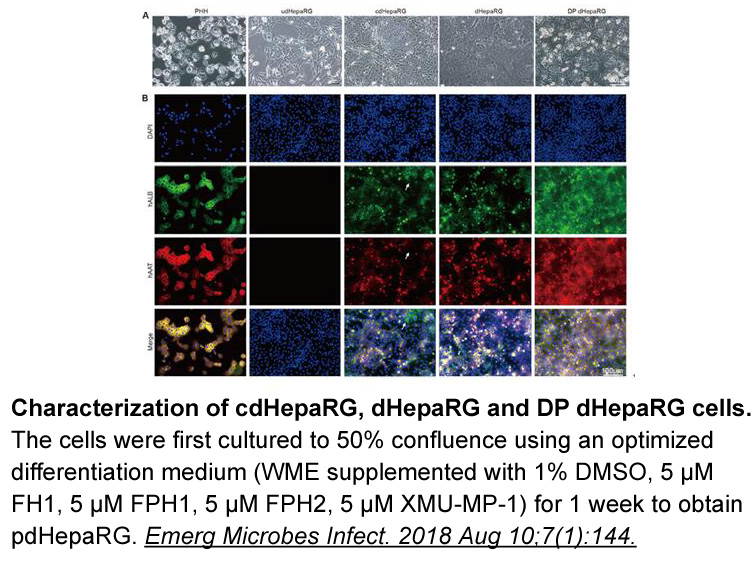
In the case of DIA-4CN the docking results do not show any interaction between the iron atom and the inhibitor, presumably due to the reduced ability to form a complex involving the -CONN- moiety versus the bidentate -CONHNH- central group of HYD-4Me. This results in a considerable gap between the i
The analysis of the profile
2025-02-27
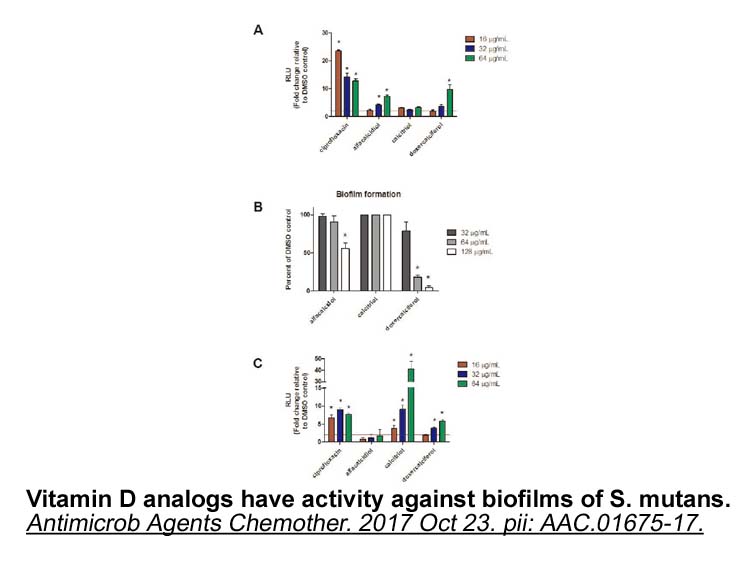
The analysis of the profile of protein phosphorylation in MMS-treated puromycin selection protocol confirmed that both the ATM and ATR pathways were activated in S-phase blocked cells. Interestingly, phosphorylation of Chk1 was observed 24h after MMS-treatment both in AT- and ATM-inhibited cells, w
Two parallel branches of the DNA damage dependent S phase
2025-02-27
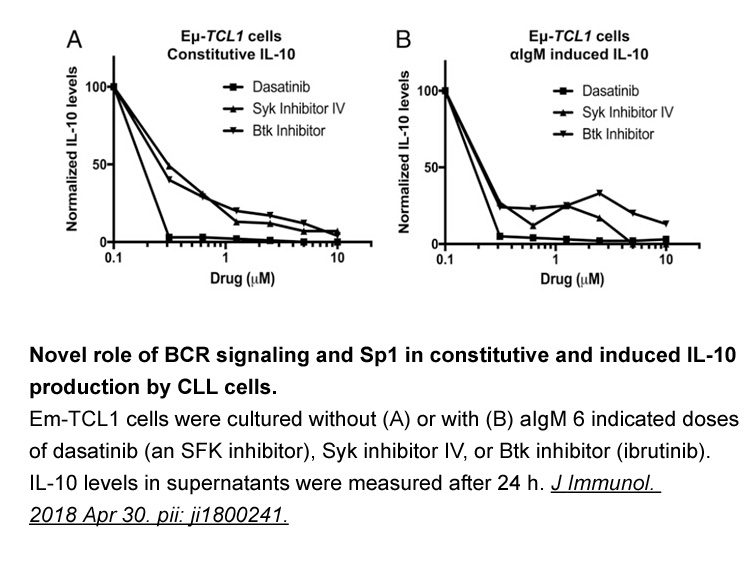
Two parallel branches of the DNA damage-dependent S-phase checkpoint are thought to co-operate by inhibiting distinct steps of DNA replication. One branch includes the phosphorylation of structural maintenance of chromosomes 1 (SMC1), a cohesin that is activated by ATM or ATR after IR treatment or r
br Mechanisms of homeostasis At face
2025-02-27
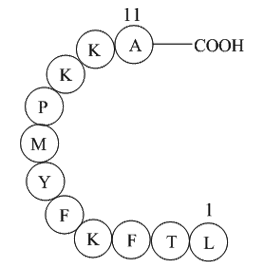
Mechanisms of homeostasis At face value, homeostatic mechanisms may seem like nothing more than a simple balance between opposing forces; however, the ability of Mec1/Tel1 to each orchestrate both negative and positive regulation greatly complicates the system under consideration and argues again
Introduction Apoptosis signal regulating kinase ASK a family
2025-02-27
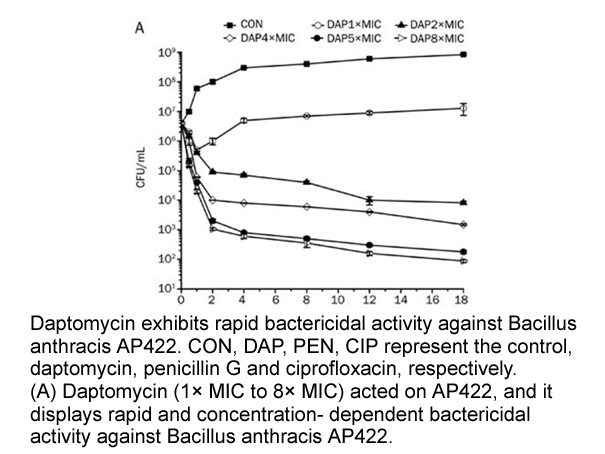
Introduction Apoptosis signal-regulating kinase 1 (ASK1), a family member of the mitogen-activated protein (MAP) kinase kinase kinase (MAP3K) family, selectively activates the JNK and p38 MAP kinase pathways in response to various types of stresses, including oxidative stress, and subsequently indu
br Experimental procedures br Results br Discussion Major de
2025-02-27
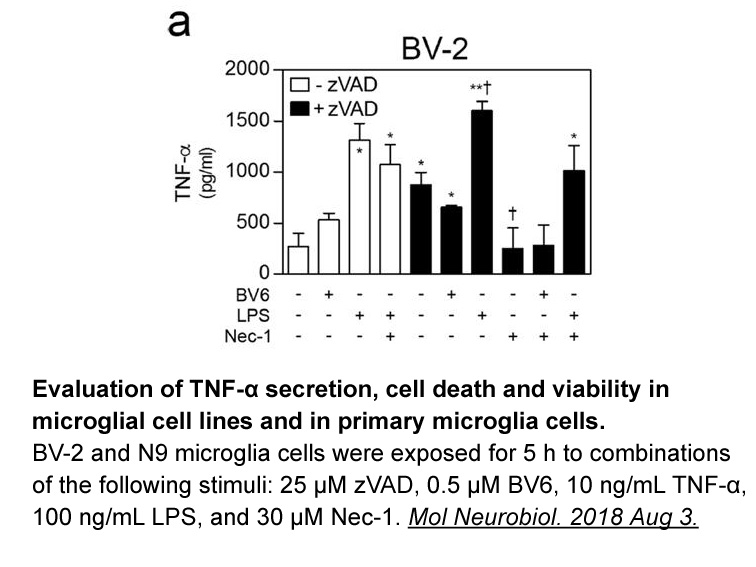
Experimental procedures Results Discussion Major depressive disorder is among the leading causes of disability worldwide (Vos et al., 2015). One of the major causal or exacerbating factors of depression is long term stress or psychological trauma (Liu and Alloy, 2010). Dysregulation of the
br Concluding remarks and future perspectives While the
2025-02-27
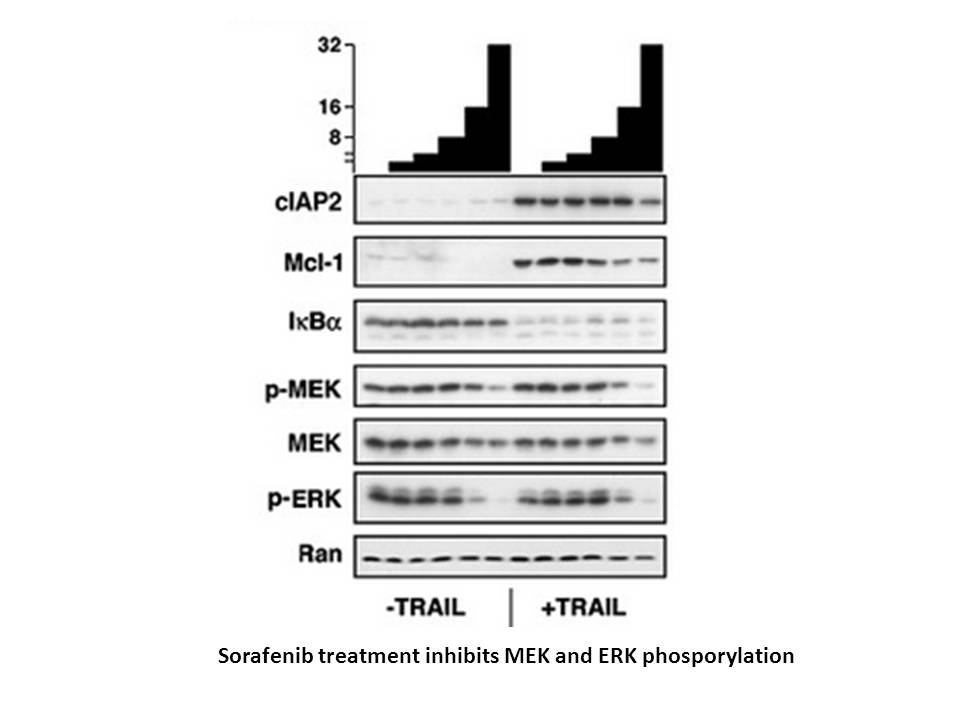
Concluding remarks and future perspectives While the rational engineering of protein-based switches has yet to be fully developed, emerging empirical rules facilitate the construction of tailor-engineered ipi-145 with custom input and output parameters. Both in the context of molecular diagnostic
br Conclusions Our study confirms that N
2025-02-27
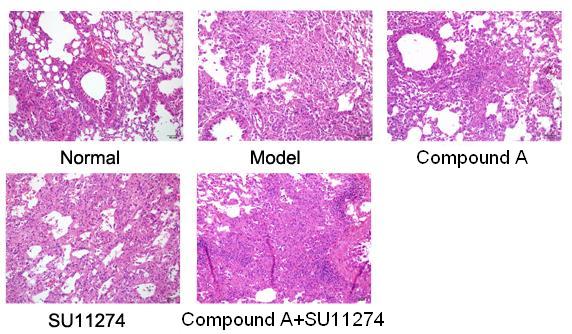
Conclusions Our study confirms that N-terminal mutations can affect Aβ fibril and oligomer formation, despite lying outside the core amyloid region of Aβ. Of the three factors that may influence Aβ-mediated toxicity (primary structure of Aβ, assembly structure and cellular responses), our results
br Disclosure br Acknowledgments br
2025-02-26
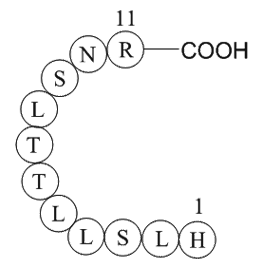
Disclosure Acknowledgments Introduction Anaplastic lymphoma kinase (ALK), a receptor tyrosine kinase, belongs to the insulin receptor kinase subfamily [1]. Oncogenic activation of ALK is associated with the rho inhibitor and progression of multiple human cancer types [2,3], including anapl
8220 records 44/548 page Previous Next First page 上5页 4142434445 下5页 Last page